How Anxiety Lives in the Body and How to Release It
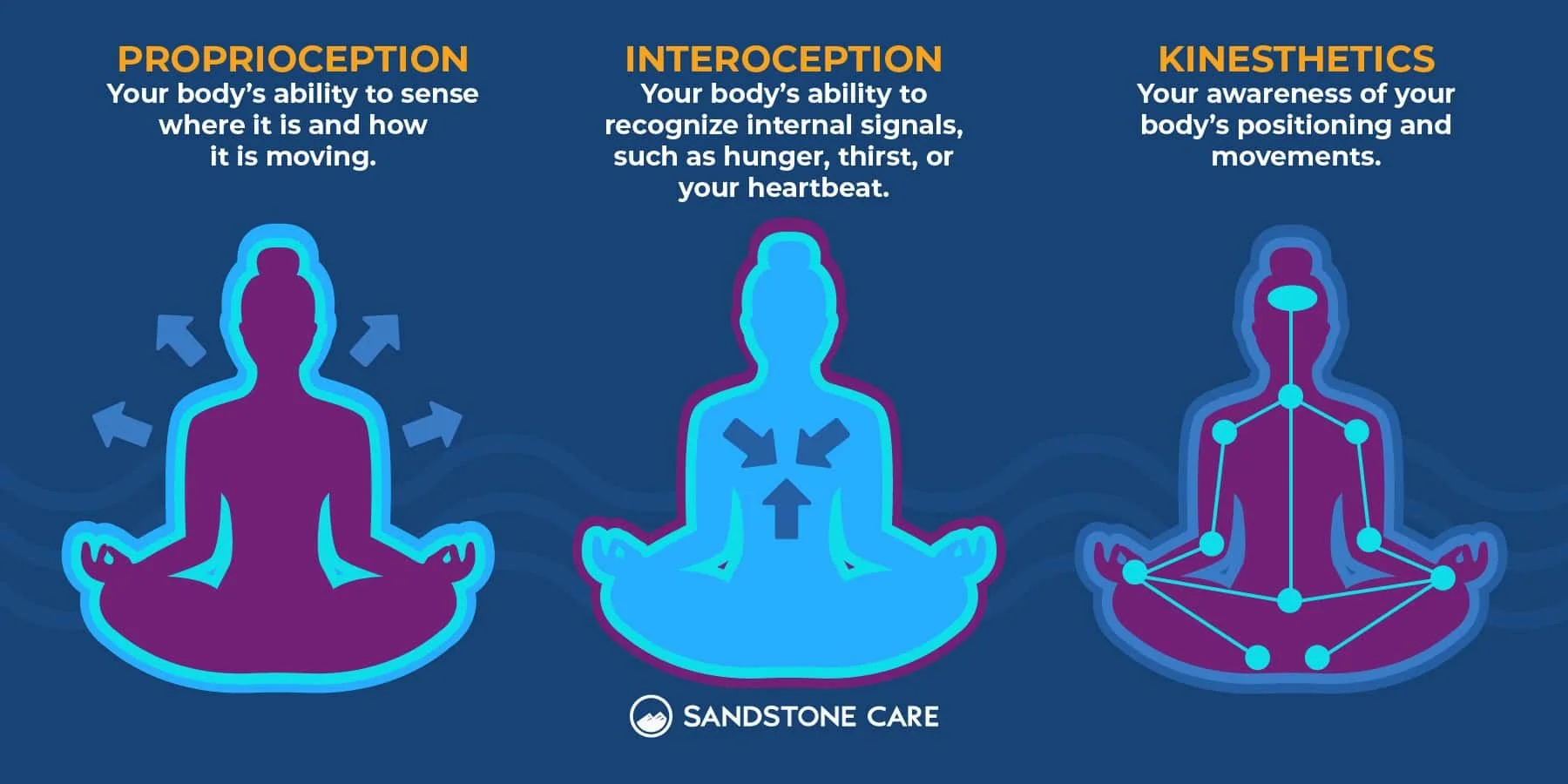
Understanding our internal body awareness allows us to process somatic anxiety. Source: Sandstone Care / Somatic Therapy | Understanding the Mind-Body Connection
We often treat worry as a problem of the mind, but you probably know from experience that fear does not stay trapped in your thoughts. You might feel a sudden tightness in your chest before a difficult presentation, or you may notice your jaw clenching during a stressful commute. These physical reactions show exactly how anxiety lives in the body.
When we ignore these physical sensations, chronic tension can build up over time. This article will explore the deep connection between your mind and physical form. We will look at the science behind somatic stress, and you will learn practical mindfulness tips to release this trapped energy safely today.
The Core Insight: Understanding Somatic Stress
Your nervous system does not differentiate between a physical threat and an emotional worry. When a stressful thought arises, your brain instantly triggers the sympathetic nervous system [1]. This response releases hormones like cortisol and adrenaline into your bloodstream, which alters your heart rate and changes your breathing patterns.
Many people try to think their way out of stress, but true relief requires us to address the physical form. Somatic anxietyrefers to the physical manifestations of nervous tension. When you experience a difficult emotion, your muscles contract to protect you. If you do not consciously signal to your brain that you are safe, this muscular armor can become your permanent baseline state.
Scientific Backing: The Mind-Body Feedback Loop
Neurological research shows that communication between your brain and your body is a two-way street. A vital concept here is interoception, which is the ability to perceive internal bodily signals like your heartbeat or respiration [2].
When your muscles are tight, they send continuous danger signals back to the brain. This feedback loop creates a cycle where physical tension breeds more anxious thoughts. Studies confirm that mindfulness practices targeting these somatic pathways can significantly reduce overall stress levels by interrupting this circular loop [3].
Actionable Real-Life Tips to Release Bodily Tension
1. Practice the Body Scan Meditation
You can locate where worry hides by directing your awareness through your physical frame. Sit comfortably and close your eyes. Begin at your toes and slowly move your attention upward to your head, noting any areas of resistance or tightness without judgment.
Real-Life Example: Imagine waking up with an unexplainable sense of dread. Instead of scrolling on your phone, spend five minutes scanning your frame. You might discover that the worry is actually sitting as a heavy weight in your stomach. Recognizing this location allows you to breathe directly into the tension.
2. Utilize Extended Exhalations
Your breath is the fastest tool you have to change your nervous system state. When you lengthen your exhalations so they are longer than your inhalations, you actively stimulate the vagus nerve [4]. This stimulation triggers the parasympathetic nervous system, which lowers your heart rate and signals safety.
Inhale deeply through your nose for a count of four.
Exhale slowly through your mouth for a count of six.
Repeat this pattern for two minutes whenever you feel overwhelmed.
3. Release the Jaw and Shoulders Drop
We tend to hold an immense amount of daily pressure in our upper frames. Make a conscious habit of checking your posture throughout the day. Let your tongue drop away from the roof of your mouth, roll your shoulders back, and let them hang heavy.
Deepen Your Journey Toward Physical Peace
Learning how anxiety lives in the body is the first step toward lasting emotional freedom. Real transformation happens when you commit to a daily practice of somatic awareness and gentle presence.
If you want to move beyond reading and experience true physical relief, I invite you to join my guided practices. You can explore my dedicated online courses, where we walk through specialized somatic meditations designed to unlock trapped stress and restore balance to your nervous system.
Sources
[1] Harvard Health Publishing. (2020). Understanding the stress response. Harvard Medical School.
[2] Craig, A. D. (2002). How do you feel? Interoception: the sense of the physiological condition of the body.Nature Reviews Neuroscience, 3(8), 655-666.
[3] Farb, N., et al. (2015). Interoception, contemplative practice, and health. Frontiers in Psychology, 6, 763.
[4] Gerritsen, R. J., & Band, G. P. (2018). Breath of life: The respiratory vagal stimulation model of contemplative activity. Frontiers in Human Neuroscience, 12, 397.