How to Calm an Anxious Mind Naturally
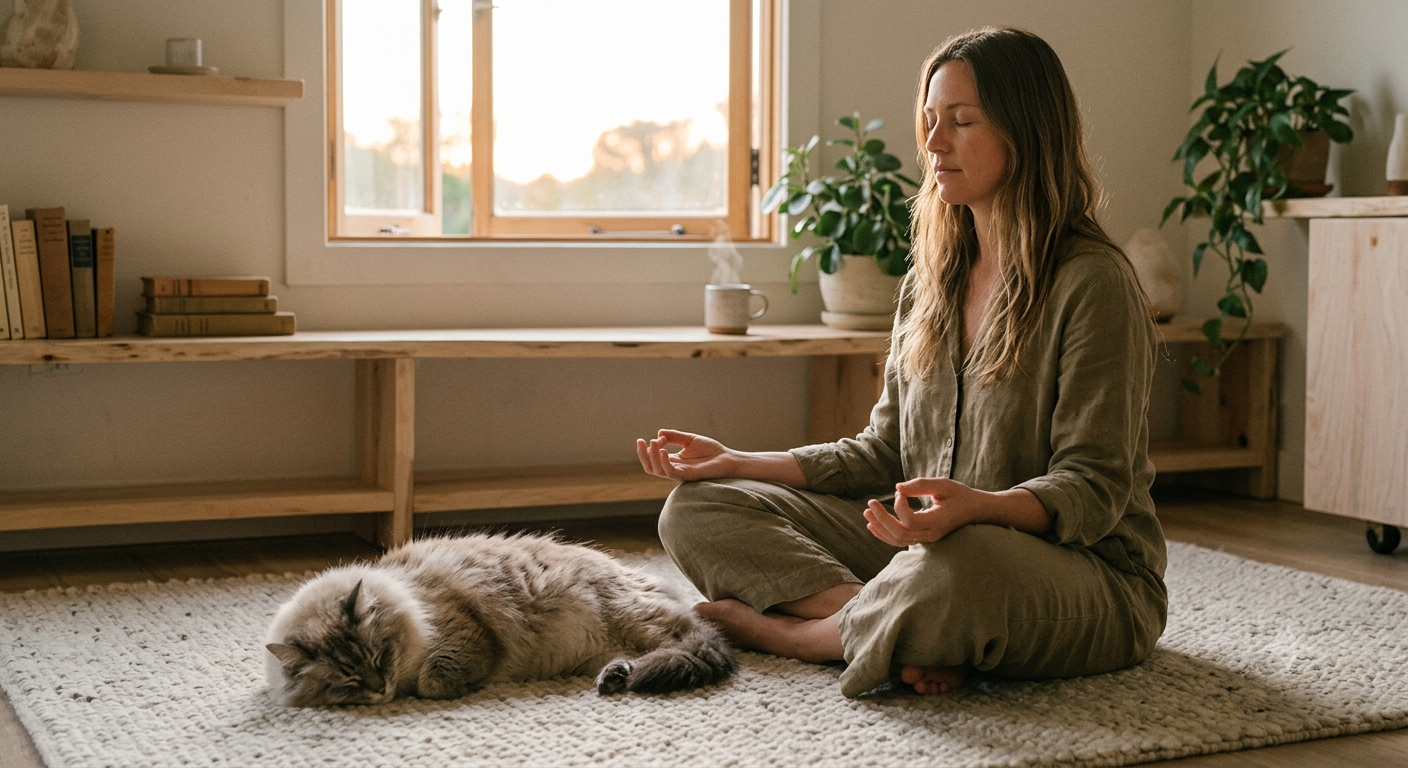
How to Calm an Anxious Mind Naturally
We’ve all been there. Your heart starts to race, your breath gets shallow, and a wave of worry washes over you. Anxiety can feel like an unwelcome guest, casting a shadow over your day. But you are not helpless. There are simple, powerful techniques you can use right now to find calm and reclaim your peace. Let's explore how to quiet the storm in your mind and nurture a sense of tranquility.
Understanding Your Anxious Mind
Anxiety is a complex and highly common experience [1]. It's a natural reaction to stress, and sometimes it can even be a helpful signal. For example, the nervous energy you feel before a presentation might help you focus and perform better.
However, when anxiety becomes a constant companion, it can take a toll on your physical and mental well-being [2]. It can feel overwhelming, making it hard to concentrate, enjoy your favorite activities, or even sleep. The good news is that you don't have to face it alone. There are proven methods for managing these feelings and cultivating a more centered and peaceful existence.
Real-Life Tips to Calm Your Mind Now
Ready to find your footing again? Here are some simple, practical steps you can take in this very moment.
Focus on Your Breath. This is your anchor. When you feel anxiety rising, pause and gently bring your attention to your breathing. Inhale deeply, allowing your belly to rise, and then exhale slowly, releasing any tension you're holding. Repeat this a few times, letting the natural rhythm of your breath soothe your nervous system.
Get Moving. Physical activity is a great way to release pent-up energy and reduce stress. It doesn't have to be a strenuous workout. A brisk walk, a few minutes of dancing to your favorite song, or a gentle yoga session can all make a big difference. Exercise releases endorphins, the body's natural "feel-good" chemicals, which can help to improve your mood and reduce feelings of anxiety [3].
Connect with Nature. Spend some time outdoors and let the beauty of the natural world work its magic. Go for a walk in the park, sit by a tree, or even just look out a window. Nature has a remarkable ability to calm and restore us. Take a moment to truly appreciate the sights, sounds, and smells around you.
Practice Mindfulness. Mindfulness is the art of being present in the moment, without judgment. When anxiety strikes, your mind can race with thoughts and worries about the future. Mindfulness helps you to detach from these thoughts and experience life as it's unfolding. You can practice mindfulness in many ways, such as by:
Paying attention to your senses. Notice the details of a flower, the feeling of the sun on your skin, or the taste of your food.
Engaging in mindful activities. Try mindful walking, eating, or even washing the dishes.
Using a mindfulness app. There are many great apps available, including Insight Timer, which offers guided meditations and courses to help you cultivate mindfulness.
Seek Support. You don't have to navigate anxiety on your own. Talk to a friend, family member, or trusted mentor.Consider seeing a therapist or counselor who can provide professional guidance and support. Connecting with others can reduce feelings of isolation and provide you with new perspectives and coping strategies.
Get Quality Sleep. Sleep is essential for emotional health [4]. Aim for 7 to 8 hours of sleep each night and maintain a consistent sleep schedule, even on weekends. Create a relaxing bedtime routine, avoid screens in the hours leading up to sleep, and ensure your bedroom is a quiet and comfortable space.
Eat a Balanced Diet. A healthy diet can support your overall well-being and play a role in managing anxiety.Consume plenty of fruits, vegetables, whole grains, and lean proteins, and limit your intake of processed foods and caffeine, which can exacerbate feelings of anxiety in some people.
Engage in Activities You Enjoy. Make time for things that bring you joy and a sense of accomplishment. Pursuing a hobby, reading a book, or listening to music can all provide a helpful distraction and boost your mood.
Bringing It All Together
You’ve learned about some powerful tools for finding calm. Let's imagine a scenario where these tips come to life. Picture yourself at work, feeling overwhelmed by a growing to-do list. Your heart starts to pound, and your thoughts turn to worry.
Instead of letting anxiety take control, you pause. You take a few slow, deep breaths, focusing on the feeling of the air entering and leaving your body. You step outside for a quick walk, noticing the warm sun and the rustling leaves. Back at your desk, you spend five minutes listening to a guided meditation on Insight Timer. This simple, purposeful moment helps you re-center and approach your day with renewed focus and clarity.
Deepen Your Practice and Find Lasting Peace
Managing anxiety is a journey, and you don't have to walk it alone. To explore these concepts further and build a comprehensive mindfulness toolkit, I invite you to explore my online courses. There, you’ll find in-depth guidance on navigating anxiety, cultivating calm, and nurturing a more resilient and peaceful mind.
Sources
Bandelow, B., & Michaelis, S. (2015). Epidemiology of anxiety disorders in the 21st century. Dialogues in Clinical Neuroscience, 17(3), 327–335.
Craske, M. G., et al. (2017). Anxiety disorders. Nature Reviews Disease Primers, 3(1), 17003.
Stubbs, B., et al. (2017). An examination of the relationship between physical activity and common mental disorders using data from 12 countries. General Hospital Psychiatry, 46, 49–55.
Walker, M. (2017). Why We Sleep: Unlocking the Power of Sleep and Dreams. Scribner.