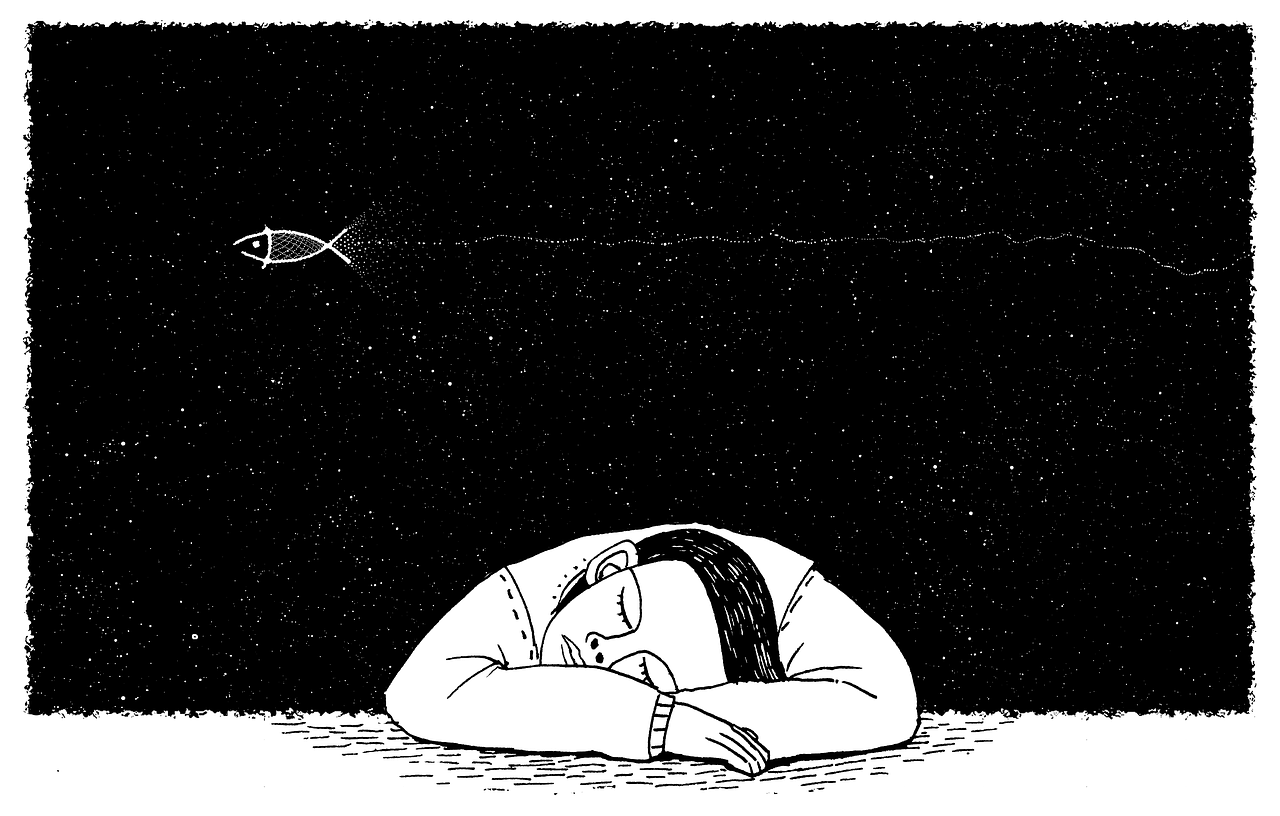
How to create a more regular sleep rhythm
Monday morning can feel especially unforgiving after a weekend of late nights. The alarm rings while your body still believes it should be asleep. You reach for coffee, promise yourself an earlier night and continue with the day. By the evening, you feel tired but strangely alert. You stay up later than planned, and the cycle begins again.
Many people judge their sleep by the number of hours they spend in bed. Yet a growing body of research suggests that timing matters too. Going to sleep and waking up at very different times may be associated with anxiety, depression and loneliness, even when total sleep duration appears reasonable. This does not prove that an irregular sleep schedule directly causes poor mental health. It does, however, give us a useful reason to pay attention to the rhythm of our nights.
What the latest research found
A 2026 study published in Scientific Reports examined sleep data from 22,894 adults who used Oura wearable devices. The researchers calculated how consistent each person’s sleep and wake times were, then compared those patterns with self-reported measures of depression, anxiety and loneliness.
People with less regular sleep patterns reported higher levels of all three difficulties. The association remained after the researchers accounted for several personal and health characteristics. www.nature.com
The study has an important strength: sleep was measured passively through wearable devices rather than relying entirely on memory. The sample was also unusually large.
There are clear limitations. The mental-health measures were self-reported, and the participants were mostly middle-aged wearable users from North America and Europe. They may differ from the wider population in income, health awareness and lifestyle. Most importantly, the study captured an association at one period in time. It cannot tell us whether irregular sleep contributed to emotional distress, whether emotional distress disrupted sleep, or whether both were influenced by other factors.
A systematic review of 59 studies reached a similar general conclusion. Irregular sleep timing was associated with several poorer health outcomes, including symptoms of depression and anxiety. However, considerable differences between the studies made the overall effect difficult to calculate precisely. The authors called for more intervention trials before causal conclusions are drawn. pubmed.ncbi.nlm.nih.gov
Why regular sleep may matter
Your body runs on a circadian rhythm, an internal timing system that helps coordinate sleep, alertness, body temperature, hormone release and digestion.
This system responds to regular signals. Morning light tells the brain that the day has begun. Evening darkness prepares the body for sleep. Meals, physical activity and daily routines provide additional timing information.
When bedtime and waking time change dramatically, these signals become less predictable. Some people then find it harder to fall asleep, wake naturally or feel alert during the day. Fatigue can also make emotional regulation more difficult. A small problem may feel heavier after an unsettled night because the mind has fewer resources available to manage it.
The relationship probably moves in both directions. Anxiety can keep the mind active late at night. Depression can alter sleep duration and motivation. Loneliness may encourage late-night scrolling or reduce the structure of the following day. Sleep then becomes part of a wider emotional and behavioural cycle.
How to create a more regular sleep rhythm
Begin with your waking time. Choose a time that works on most days and try to remain within a range of about 30 to 60 minutes. A stable morning often makes bedtime easier because it helps the body build sleep pressure at a more predictable rate.
Seek natural light after waking. Opening the curtains helps, although going outside usually provides a much stronger light signal. A short morning walk can support circadian timing while adding gentle movement to the beginning of the day.
Create a realistic bedtime window rather than forcing yourself to sleep at an exact minute. If you usually fall asleep between 11 p.m. and midnight, begin by protecting that period from work, stimulating entertainment and unnecessary decisions.
Large weekend changes deserve particular attention. Sleeping much later on Saturday and Sunday can create a form of social jet lag, leaving Monday morning feeling like a change of time zone. Extra rest after an exhausting week can be helpful, but a modest adjustment is generally easier on the body than shifting the entire schedule.
Keep a simple record for two weeks. Note your approximate bedtime, waking time, energy and mood. The goal is to notice patterns. If a later night regularly produces a tense or emotionally difficult morning, that connection is useful information.
The Sleep Reset course can provide additional structure if you want to create a calmer evening routine and develop habits that support more restorative sleep.
If you’ve set aside time for sleep but find yourself replaying a conversation, worrying about tomorrow or mentally finishing the day’s tasks, my ebook When Your Mind Won’t Switch Off at Bedtime focuses on those moments. It includes a short questionnaire to help you identify what keeps your mind active at night, practical exercises for setting worries aside, and a seven-day experiment to help you find an evening adjustment that fits your routine.
Sources
The original study was Jankowski et al., “Sleep regularity is associated with depression, anxiety and loneliness,” published in Scientific Reports on 12 November 2026.
Additional context comes from “Sleep regularity as an important component of sleep hygiene: a systematic review,” which reviewed 59 studies of sleep regularity and health.
Longer-term observational evidence is discussed in “Sleep regularity and the prospective risk of depression and anxiety,” based on UK Biobank participants.
Keywords
Irregular sleep schedule, sleep and anxiety, sleep and depression, sleep regularity, mental health and sleep, how to fix a sleep schedule, circadian rhythm, sleep routine, social jet lag, poor sleep and mood, loneliness and sleep, healthy sleep habits.